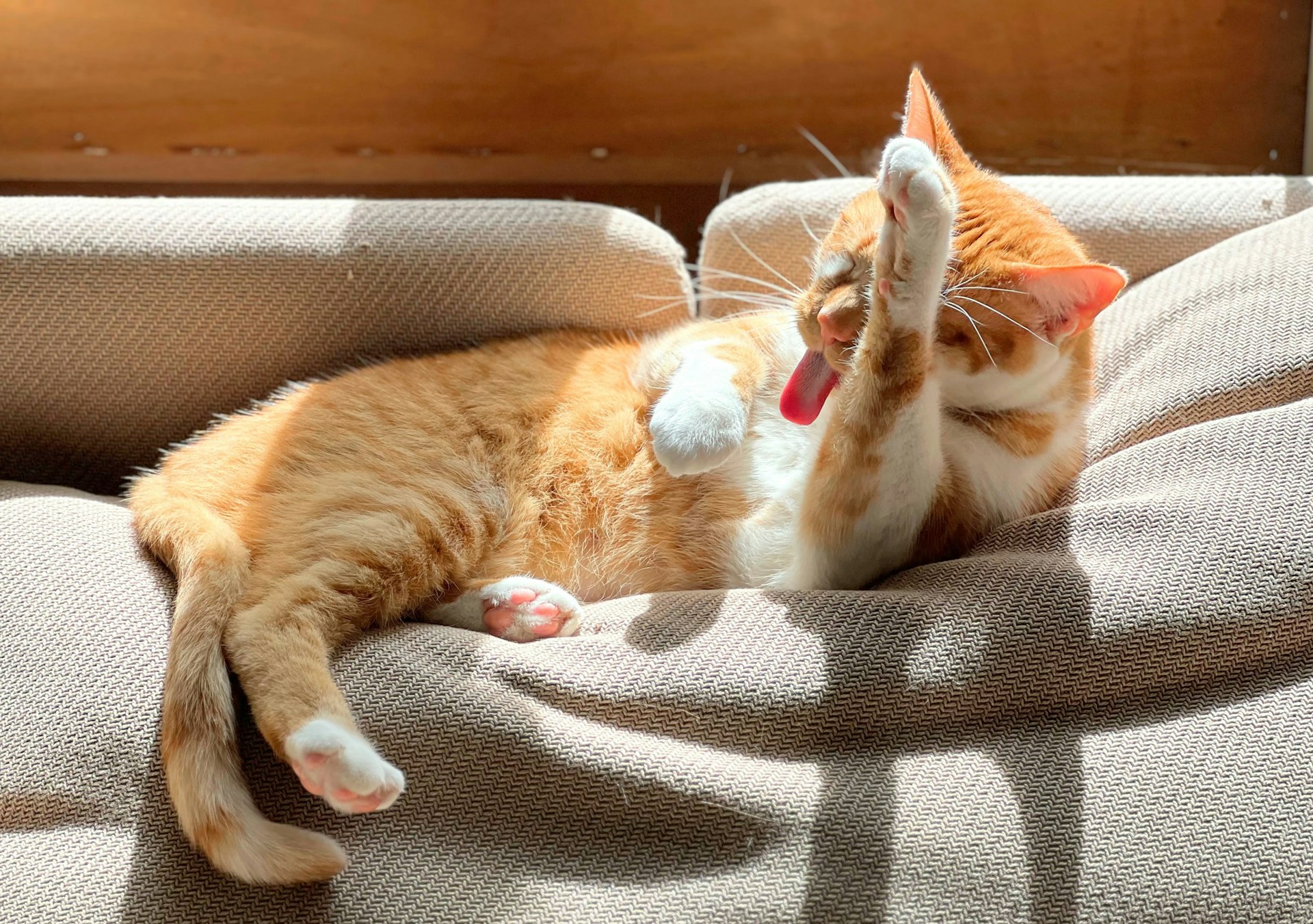
The decision of whether to allow or prohibit pets in rental properties is one of the most common dilemmas for landlords in Portugal. On one hand, opening the doors to tenants with pets can mean a larger market of potential renters and letting your property faster. On the other hand, there are legitimate concerns about potential damage, noise, and liability.
1. The market scenario and competitive advantage
Accepting pets is no longer just a kindness; it is a smart market strategy, especially for those looking to let property with pets quickly and securely.
The number of households with pets in Portugal is growing, which means prohibiting pets drastically reduces your pool of candidates.
Being "pet-friendly" can be a crucial differentiator, allowing you to attract responsible tenants.
Tenants with pets tend to be more stable and willing to remain in the property for longer periods, thus ensuring greater income stability for the landlord.
2. The pros and cons of being “pet-friendly”
Being a "pet-friendly" landlord can be very advantageous but requires careful management of risks.
- Advantages: Market expansion, attracting stable tenants, and a higher probability of a quick let.
- Disadvantages: Increased risk of wear and tear to the property (scratches, fur), odours, and potential noise issues with neighbours.
The key to letting property with pets is balancing the potential for damage with the benefit of having a trustworthy, long-term tenant.
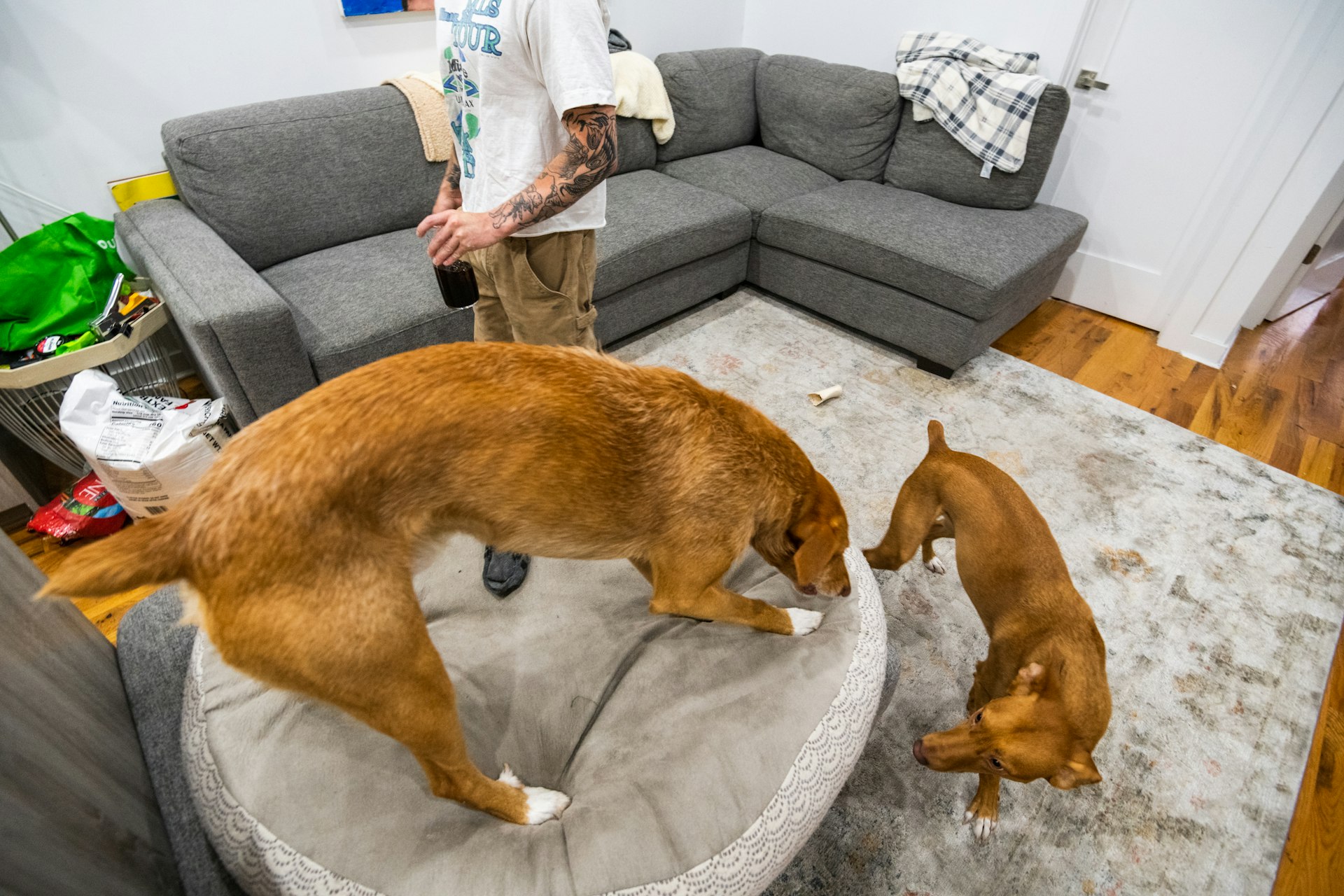
3. Strategies to minimise risks and manage Pets
If you decide that your property is suitable for letting with pets, it is essential to protect your investment with clear contractual policies.
- Include a specific clause in the tenancy agreement detailing the rules and responsibilities (allowed size, type, and number of pets).
- Require proof that the pet is vaccinated, dewormed, and registered.
- Consider requiring an additional security deposit (caução) to cover any potential damage caused by the pet.
- Conduct periodic inspections (as permitted by law and contract) to ensure living conditions are being maintained.
4. The legislation and contractual transparency
In Portugal, although the law allows landlords to refuse pets, transparency is your best ally when deciding to let property with pets.
The landlord has the right to establish the condition of not accepting pets in the lease agreement.
If you do accept them, the pet policy must be clearly and fully outlined from the beginning of the letting process to avoid misunderstandings.
Any additional deposit must be legally framed and clearly itemised in the contract.
Being informed about the legislation ensures that your decision and contract are robust and unquestionable.
5. The final decision and your letting success
The choice to allow letting property with pets is personal, but it can be a significant driver of success.
Assess the durability and ease of cleaning of your property (hard flooring is more suitable than carpets).
If your tenancy agreement is robust and includes appropriate deposits and rules, the benefits of letting property with pets often outweigh the risks.