Anyone owning a property in Portugal knows the frustration of opening a wardrobe in winter to find a sour smell, ruined clothes, or dark patches in bedroom corners. Dealing with mould at home is a constant headache for property managers and homeowners in Portugal, whether in old structures or flats built just a few years ago. Understanding how to prevent and combat dampness and mould in houses in Portugal is the only way to stop it without wasting money,
The main reasons for mould at home in Portuguese properties
People often blame winter rain or proximity to the sea, but the main cause lies in how properties were constructed. Most dwellings lack proper thermal insulation on walls and windows, and they do not have functional ventilation systems. On top of this, most houses are quite old already.
During cold weather, the warm, humid air created indoors hits cold surfaces and turns into liquid water. This daily condensation creates the ideal environment for mould at home.
Daily habits that create mould at home
Everyday routines release plenty of moisture into the air without anyone realizing:
Taking hot showers without closing the door, opening a window or running the extractor
Drying wet laundry inside the living room or bedrooms
Cooking for long periods without turning on the cooker hood
Keeping the entire property shut tight for days to retain heat.
Simple ways to prevent mould at home
You do not need expensive building work to notice immediate improvements in wall conditions and air quality.
Practical steps to stop mould at home
You can adopt these simple routines in your property:
Open windows for fifteen minutes every morning to refresh the air
Move heavy furniture a few centimetres away from exterior walls
Run a dehumidifier in cold rooms during winter months
Clean bathroom extractors regularly so they work properly.
Ventilate the house when cooking
Open the window or use ventilation when taking a shower.
How to clean mould at home without damaging walls
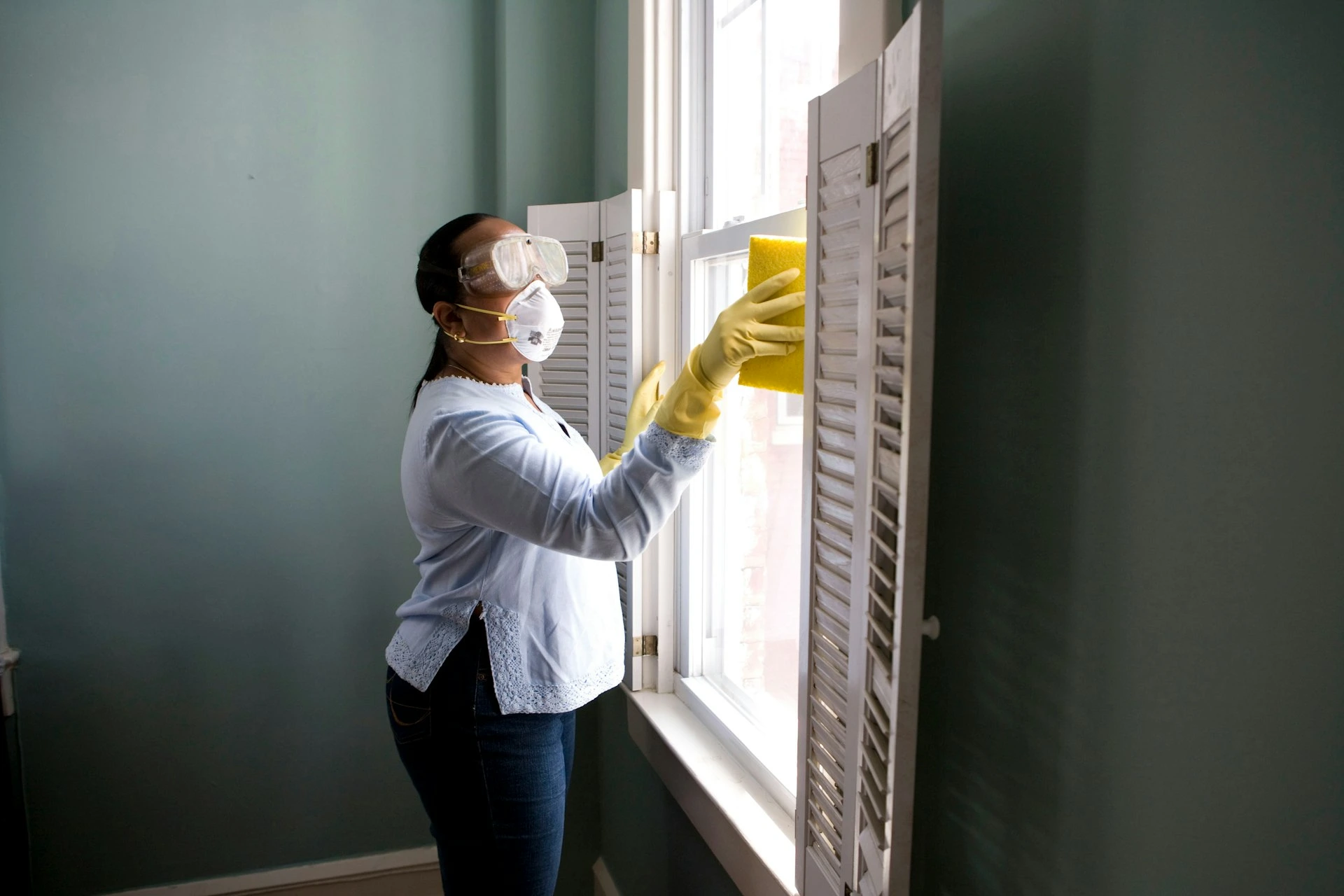
Even with all these steps, dark patches might still appear on painted walls and you must act quickly before the issue spreads to furniture. There is no need to spend money on expensive specialised detergents. A simple mix of equal parts water and bleach, or pure cleaning vinegar, clears most painted surfaces. Apply the liquid with a soft sponge, let it sit for ten minutes, and wipe the area with a dry cloth to remove moisture. Always wear gloves and keep windows open while doing the work.